How do you define good habits?
2026 Day 192. #PersonalDays.
We have all tried to incorporate “good habits” into our lives. We have been told to quit alcohol and smoking, try and be fitter, play games that engage our brain, read, write, and so on. I too have committed to better habits, but slowly I have begun to realise how I have been fooling myself.
A lot of my day is spent in activities that align with my not-so-concrete future goals. Reading and writing for a better me, running and training for a fitter me, working and learning for a professional money-making me.
For fun I play chess, engage with people on reddit, and so on. These do not offer me a sense of productivity but I still considered them good habits.
Now if I were to evaluate the time spent doing these individual activities on any given day, I would be extremely unhappy. I am not the right amount of time and effort to the things that matter more.
I commit to activities that release some dopamine and call it self care. My extremely short term needs are shadowing over long term goals. I drink occasionally but I am to prioritise myself, I need to do better.
I do not need to change my habits, but simply engage with them differently. I need to learn moderation, and having a stronger schedule to stick with.
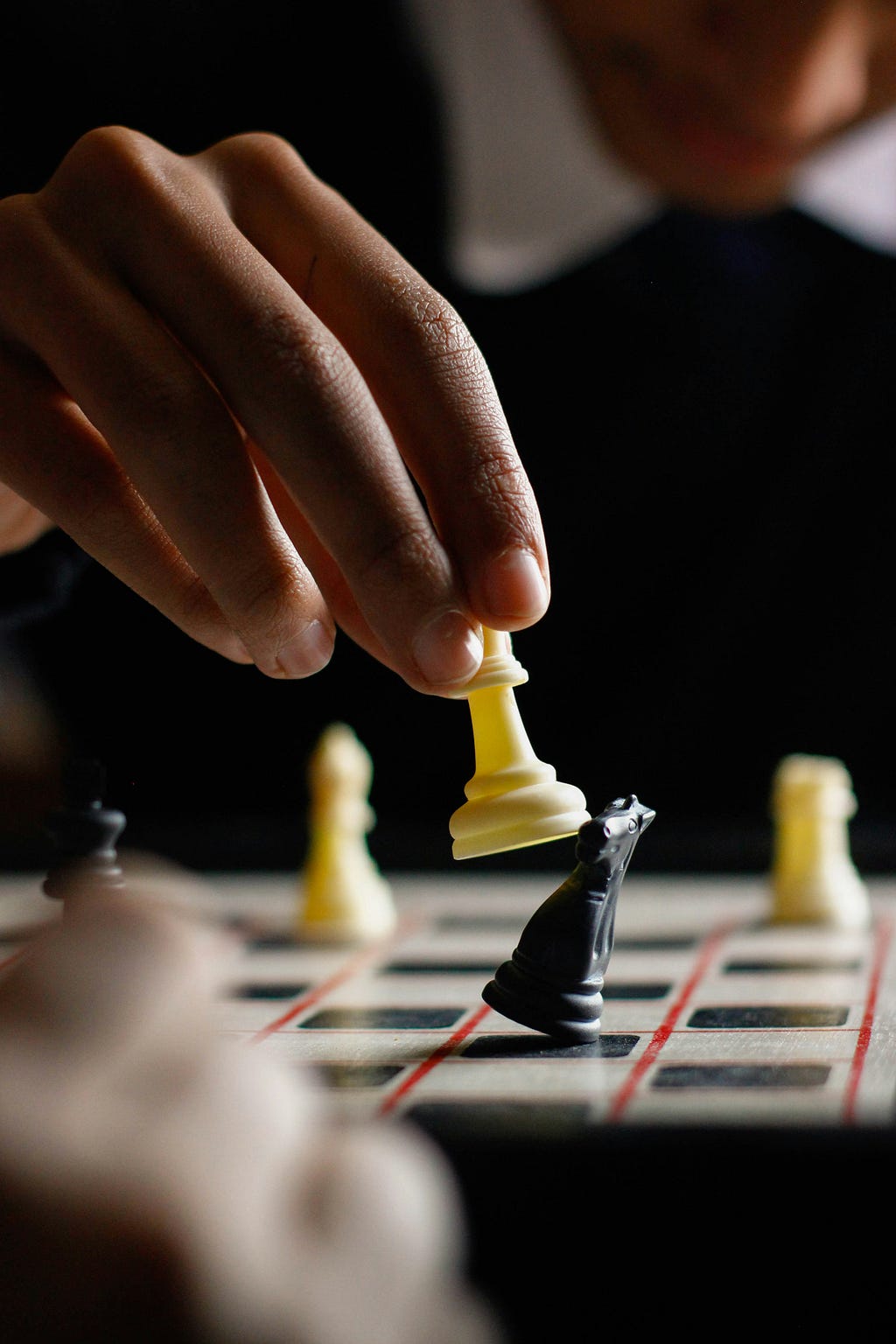
In essence, it is not that all habits are good or bad entirely, but how we engage with them. We might be overdoing our part, or focussing on the wrong things and calling it a productive day.
Imagine this —
You wake up and plan out your day, your meals, and your workout. You know exactly what to cook, what groceries to buy, how long to cook it for, the macros you want to ingest, the supplements you need, and the workout you do.
All of this can be a major part of your day. Having done this you might feel accomplished and imagine it to be productive day. Assuming you did nothing else except this, is it truly a good day?
The answer is extremely subjective.
First you need to know your long and short term goals. Once you have them figured out then you need to look back at your day and see how you have helped yourself along those goals. Here in lies the answer.
Every step that you take, take it with a plan, a purpose. Minimise the time spent in activities that are only temporary and will not help you in the long term.
Your long term goal could be that you want to be fit enough to hike in your 50s. So you must
- have a physique capable of doing so
- good cardiovascular health
- time and money to be able to afford to go on the hikes
You short term goals can be completely different, or similar
- you want to lose some fat you have gained recently
- you want to get better at chess
- you want to read and learn more about being an entrepreneur
And so on.
All your habits or activities must enable you or your goals in one way or the other. It might bring you things that cannot be quantified like happiness and self confidence, but you must only indulge within limits. Have a read here.
The law of diminishing marginal utility talks about how the usefulness of a good object, habit, etc. can actually decrease the amount of joy or benefits you can get from something.
Example —
I like to play chess, a lot. I almost obsessively play the game while time wastes away. I started playing it in between meetings, between work, and s on. While it did not directly hamper my professional output, it severely affected my mood and my train of thought.
A good game meant I will have a good day and a bad game meant I will have a bad day. This was a sign that I was obsessing too much. I wanted to quit but quitting would mean that I would lose out on the progress that I had made.
I have gotten better at recognising similar problems but I am still trying to good in mitigating them.
The answer lies in moderation, but moderation is diffucult.
- A moderate amount could vary greatly, so you cannot compare yourself with someone else’s moderate.
- A moderate amount can be different for different things. Depending on the importance of the goal and the effort needed to achieve it, it would be wise to plan each thing objectively.
- Even after you recognise the problem, you need a continuous reminder of limiting yourself.
- Self-restraint is one of the easiest thigns to preach but hardest to practice. Lord knows I am trying.
Going forward, have strong goals, and work towards them in order of their importance.
See you tomorrow.